Source Liquid Manure Fertilization Trailer for Farms, Orchards, and Fields
Explore 30 verified options for a liquid manure fertilization trailer designed for efficient spreading on farms, orchards, and crop fields. Compare specifications, capacities, and tractor-driven models to find the right equipment for your agricultural needs; compare the available evidence and request quotations based on your requirements.
Key considerations
Products List


Mobile Organic Fertilizer Spreader Trailer for Efficient Manure Application
$13000.00 - $23000.00
Moq: 1


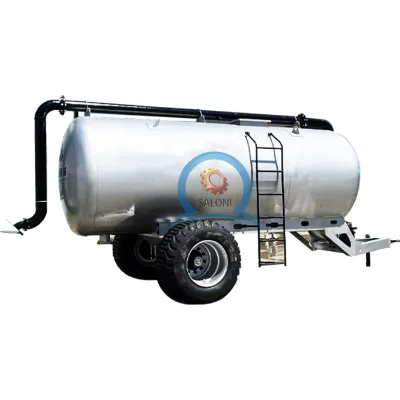
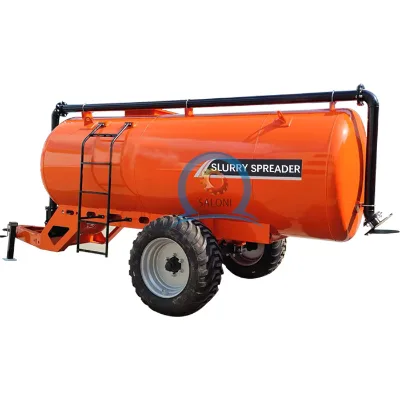
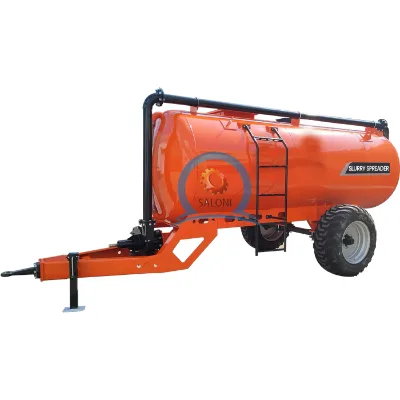


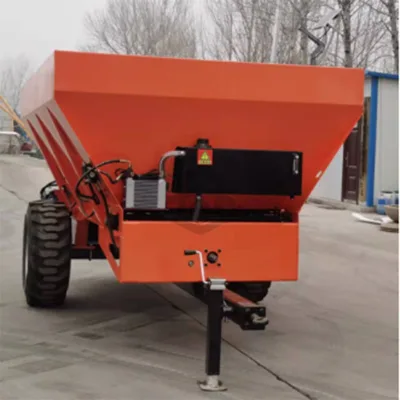


Comprehensive Sourcing Guide
Liquid Manure Fertilization Trailer Sourcing Guide
Procuring a liquid manure fertilization trailer requires a clear understanding of the distinct mechanical differences between solid and liquid spreading systems. While solid fertilizer spreaders often rely on mechanical beaters or augers to distribute dry organic matter, liquid systems typically utilize hydraulic pumps and spray bars or injection systems to apply slurry or liquid fertilizer. Buyers must first determine whether their operation requires a towed unit for general field application or a specialized trailed unit for larger-scale livestock operations. The observed market includes models ranging from compact mini ATVs to full-size tractor-drawn trailers, each serving different farm scales. Understanding this distinction is critical because the power source, capacity, and application method vary significantly between these categories.
The decision to source a liquid manure trailer also hinges on the specific crops and soil types involved in the agricultural operation. These machines are designed for applications involving corn, rice, wheat, tubers, fruit trees, beans, and peanuts, ensuring that nutrient distribution is uniform across diverse planting patterns. The hydraulic operation mode is a common feature, allowing for efficient labor saving and easy operation during the spreading process. Buyers should evaluate whether the trailer’s capacity, such as the observed ranges of 3-12 cubic meters or 8000-12000 liters, aligns with their daily throughput requirements. Matching the machine’s volume to the farm’s size prevents underutilization of equipment or excessive operational delays during critical fertilization windows.
Product Scope and Observed Listing Signals
The current market landscape for liquid manure fertilization trailers presents a variety of product names and configurations that can confuse buyers seeking specific capabilities. Listings frequently use terms such as "Towed Liquid Spreader," "Trailed Liquid Fertilizer Spreader," and "Fertilizer Spreader Trailer" to describe similar equipment. It is essential to distinguish between these labels, as "towed" units may be designed for lighter duties or smaller farms, while "trailed" units often imply a more robust construction suitable for heavy-duty agricultural use. The observed product attributes indicate a strong focus on new condition items, with many suppliers highlighting features like high efficiency and multi-functional capabilities to appeal to modern farming needs.
Visual and descriptive signals in product listings provide valuable insights into the machine’s intended use and build quality. For instance, some models are described with specific dimensions, such as 799828002500mm, which helps buyers assess transportability and storage requirements. The color red is a common aesthetic choice in this category, but the more critical factor is the material composition, such as iron frame packing or standard export packaging, which indicates durability during shipping. Buyers should pay close attention to the "Marketing Type" tags, such as "New Product 2022," which may suggest recent design improvements or updated hydraulic systems. These signals help in filtering out outdated models and focusing on suppliers who are actively innovating in the liquid spreading sector.
Technical Specifications to Verify
Verifying the technical specifications of a liquid manure trailer is paramount to ensuring compatibility with existing farm machinery. The power source is a critical specification, with many units being tractor-driven, requiring a specific hydraulic flow rate and PTO compatibility. Buyers must confirm that their tractor’s hydraulic system can support the trailer’s pump requirements, as insufficient power can lead to uneven spreading or pump failure. Additionally, the operating mode, often hydraulic, dictates the precision and control available during application. It is advisable to request detailed hydraulic schematics from the supplier to ensure seamless integration with the farm’s current equipment fleet.
Capacity and dimension specifications directly impact the operational efficiency of the fertilization process. Observed models show a wide range of capacities, from 3-12 cubic meters for solid applications to 8000-12000 liters for liquid systems. Buyers should verify the exact internal volume and the material it is designed to hold, such as manure, organic fertilizer, lime, or wine trough residues. The physical dimensions, including length, width, and height, must be checked against field access constraints and transport regulations. For example, a width exceeding standard road limits may require special permits for transport. Ensuring that the trailer’s weight, such as the observed 190 kg for smaller units, is balanced correctly is also essential for safe towing and maneuverability in the field.
Compliance and Safety Documentation
Compliance with international and local safety standards is a non-negotiable aspect of sourcing agricultural machinery. The presence of CE certification is a key indicator that the product meets European health, safety, and environmental protection requirements, which is often a baseline for global trade. Buyers should request valid certification documents to verify that the manufacturer has undergone rigorous testing for electrical and mechanical safety. In addition to CE, ISO9001 certification indicates that the supplier adheres to international quality management standards, ensuring consistent manufacturing processes. These certifications provide a layer of assurance that the equipment is built to reliable specifications, reducing the risk of premature failure or safety hazards during operation.
Safety documentation should also include detailed user manuals and maintenance guides that outline proper operating procedures. Buyers must ensure that the supplier provides comprehensive instructions on hydraulic system maintenance, pump priming, and spray bar calibration. Video outgoing inspection services offered by some suppliers can be a valuable tool for verifying the machine’s condition before shipment. These videos allow buyers to visually inspect the weld quality, hydraulic connections, and overall assembly. Additionally, buyers should inquire about the availability of safety guards and emergency stop mechanisms, which are critical for protecting operators during the high-pressure application of liquid manure.
Cost Drivers and Commercial Terms
Understanding the cost drivers associated with liquid manure fertilization trailers helps buyers budget effectively and negotiate favorable terms. The primary cost factors include the material quality, hydraulic component brand, and the complexity of the spreading mechanism. Units with larger capacities and more robust iron frames will naturally command higher prices. Buyers should also consider the cost of customization, as many suppliers offer available customization options to tailor the trailer to specific farm needs. These customizations, such as specialized spray nozzles or adjusted tank dimensions, can add to the initial purchase price but may improve long-term operational efficiency.
Commercial terms, including minimum order quantities (MOQ) and payment conditions, significantly influence the procurement strategy. The observed MOQ range of 1-1 suggests that many suppliers are willing to sell single units, which is beneficial for small to medium-sized farms. However, buyers should verify if bulk discounts are available for larger orders. Shipping and packaging costs are also critical, as wooden or standard export packaging adds to the overall expense. Buyers should clarify whether the quoted price includes freight insurance and customs clearance services. Understanding these commercial terms allows for accurate total cost of ownership calculations, ensuring that the procurement decision is financially sound and aligned with the farm’s budget constraints.
Supplier Qualification and Quality Control
Supplier qualification is a critical step in mitigating procurement risks when sourcing agricultural machinery. Buyers should prioritize suppliers who provide comprehensive after-sales services, such as online support, video technical support, and free spare parts. These services are essential for resolving operational issues quickly and minimizing downtime during the fertilization season. The availability of video technical support allows buyers to receive real-time assistance from experts, which is particularly useful for troubleshooting hydraulic or mechanical problems. Buyers should also verify the supplier’s reputation and history in the industry, looking for consistent positive feedback from other agricultural clients.
Quality control measures implemented by the supplier directly impact the longevity and reliability of the liquid manure trailer. Buyers should inquire about the manufacturing processes, including welding standards and hydraulic system testing. The provision of video outgoing inspections is a strong indicator of a supplier’s confidence in their product quality. These inspections allow buyers to verify that the machine matches the agreed-upon specifications before it leaves the factory. Additionally, buyers should check if the supplier conducts routine quality checks during production and offers warranties on key components. Establishing a clear quality control protocol with the supplier ensures that the purchased equipment meets the required performance standards and reduces the likelihood of post-purchase disputes.
Long-Term Procurement Checks
Long-term procurement checks involve evaluating the supplier’s ability to provide consistent support and spare parts availability over the machine’s lifecycle. Buyers should assess the supplier’s inventory of critical spare parts, such as hydraulic pumps, seals, and spray nozzles, to ensure that maintenance can be performed without significant delays. The availability of free spare parts, as mentioned in some product attributes, is a valuable benefit that reduces long-term maintenance costs. Buyers should also verify the supplier’s responsiveness to technical inquiries and their ability to provide timely online support. A reliable supplier will have a structured after-sales service plan that addresses both immediate and future needs.
Regular performance reviews and feedback loops are essential for maintaining a successful procurement relationship. Buyers should monitor the machine’s performance in the field, noting any issues related to spreading uniformity, hydraulic efficiency, or structural integrity. This feedback can be used to negotiate improvements or adjustments in future orders. Additionally, buyers should stay informed about industry trends and technological advancements in liquid manure fertilization. Engaging with suppliers who are committed to innovation, as indicated by their marketing of new products, can provide access to improved equipment in the future. By conducting thorough long-term checks, buyers can ensure that their investment in liquid manure fertilization trailers continues to deliver value and efficiency to their agricultural operations.
FAQs
What is the power source for the liquid manure spreader?
The liquid manure spreader operates using a tractor-driven power source. This design ensures compatibility with standard agricultural tractors for efficient field application. The hydraulic operation mode allows for easy control and high efficiency during the fertilization process across various farm types.
Which certifications do these fertilizer spreaders hold?
These fertilizer spreaders hold CE and ISO9001 certifications to ensure quality and safety standards. The products are manufactured under strict quality control measures to meet international requirements. Buyers can rely on these certifications when sourcing equipment for agricultural operations in various regions.
Can I get online support for after-sales service?
Yes, online support is provided as part of the after-sales service package. Additionally, free spare parts and video technical support are available to assist users. This comprehensive support system ensures minimal downtime and helps maintain the performance of the fertilizer spreader throughout its operational life.
What is the capacity range for the liquid fertilizer trailer?
The capacity range for the liquid fertilizer trailer spans from 8000 to 12000 liters. Some models offer a capacity of up to 12 cubic meters to suit different farm sizes. This flexibility allows farmers to select the appropriate volume based on their specific application needs and field requirements.
How is the product packed for shipping?
The product is packed using standard export packaging to ensure safe transit. Some units may also feature iron frame packing for added structural protection during long-distance shipping. This robust packaging method helps prevent damage and ensures the equipment arrives in new condition ready for immediate use.
What is the origin location of these fertilizer machines?
These fertilizer machines originate from China, specifically from regions like Shandong and Dezhou. The manufacturing base is located in China, providing access to established supply chains and production capabilities. Buyers can expect reliable sourcing from these known industrial hubs for agricultural machinery.
Is customization available for the fertilizer spreader models?
Customization is available for the fertilizer spreader models to meet specific buyer requirements. This flexibility allows for adjustments in specifications or features to align with unique operational needs. Buyers can request tailored solutions while maintaining the core functionality of the tractor-trailed fertilizer application system.